Council tax is one of the biggest household bills in retirement, and it does not get smaller just because your income does. There is no automatic pensioner discount, but there are several reductions that many older people qualify for and never claim.
Here are the discounts and exemptions every pensioner should check, and how to apply.
Quick answer: Pensioners do not get council tax off just for their age. But you could pay less if you live alone (25% off), are on a low income (Council Tax Reduction, up to 100% off), get the guarantee part of Pension Credit, live with someone with dementia or another severe mental impairment, have a disability that needs extra space at home, or have an elderly relative living in an annexe. You must apply to your council for all of these.
In this guide
- Council Tax Reduction for pensioners
- Single person discount
- Dementia and severe mental impairment
- Disabled Band Reduction
- Carers
- Annexes and elderly relatives
- Moving into a care home
- Checking your band
- How to apply
1. Council Tax Reduction for pensioners
Council Tax Reduction (sometimes called council tax support) can cut your bill by up to 100% if you are on a low income. In England, there is a national set of rules for people over State Pension age, so pensioners are generally treated the same wherever they live. Working-age schemes vary much more from council to council.
Under the pension-age rules in England:
- if you get the guarantee part of Pension Credit, your income and savings are ignored and you can usually get the maximum reduction, which can be up to 100% depending on who else lives with you
- if you have savings of £10,000 or less, they will not affect your claim
- savings between £10,000 and £16,000 reduce the amount you get
- savings above £16,000 normally rule you out, unless you get the guarantee part of Pension Credit
Getting Pension Credit does not mean your council is told automatically. You need to apply to your council separately. If you are not claiming Pension Credit yet, read our guide to Pension Credit: it opens the door to council tax help and several other benefits.
Second adult rebate
If you live with another adult who is on a low income and cannot contribute to the bill, such as an adult child or a lodger who is not a partner, your council may be able to give you a reduction even if your own income is too high for Council Tax Reduction. Ask your council whether it offers a second adult rebate for pensioners.
2. Single person discount: 25% off
If you are the only adult living in your home, you get 25% off your bill. This is not means-tested.
This often applies after a partner dies or moves into a care home, and it is easy to miss at a stressful time. If you have been bereaved, the Tell Us Once service can pass the news on to your council, but check that the discount has actually been applied to your bill.
Some people are “disregarded” when your council counts the adults in your home. If everyone else in your home is disregarded, you can still get the single person discount. People who may be disregarded include:
- someone with a severe mental impairment, such as dementia
- a live-in carer looking after someone who is not their partner or child under 18
- full-time students
3. Dementia and severe mental impairment
If you, or someone you live with, has a severe mental impairment, which includes conditions such as dementia, Alzheimer’s disease or the effects of a stroke, you may be able to get a big reduction:
- 100% off if the person lives alone, or only lives with other people who are severely mentally impaired or full-time students
- 25% off if they live with one other adult who is not disregarded, for example a husband or wife
You will need a certificate from a medical professional such as a GP. The person usually also needs to be getting a qualifying benefit, such as Attendance Allowance. This discount can often be backdated, so ask your council if the diagnosis was some time ago.
If someone in your family has dementia, it is also worth reading our guide to Lasting Power of Attorney.
4. Disabled Band Reduction
If someone in your home is disabled, you may qualify for the Disabled Band Reduction Scheme. Your home must be the main home of at least one disabled person, and you need to show that you have:
- an extra bathroom, kitchen or other room needed by the disabled person, or
- extra space inside the property for using a wheelchair
If you qualify, your bill is charged at the band below. If you are already in Band A, you get 17% off instead. This is not means-tested.
5. Carers
If a carer lives with you to look after you, and they are not your partner or child under 18, they may be disregarded for council tax. That could mean you get the single person discount even though someone else lives with you. Conditions apply, including how many hours they care each week, so check with your council.
6. Annexes and elderly relatives
If an elderly relative lives in a separate annexe on your property, it may be fully exempt from council tax. This usually applies if the relative is aged 65 or over, or is severely mentally impaired or substantially disabled. If you use an annexe as part of your main home, you may also get a discount.
This can make a real difference if you are thinking about a family home with a granny flat. Our guide to downsizing in retirement covers other housing options.
7. Moving into a care home or hospital
If you move permanently into a care home or hospital and your old home is left empty, it may be exempt from council tax. Your partner may get the single person discount if they stay living there alone. Tell your council as soon as the move happens.
8. Check you are in the right band
Council tax bands in England and Scotland are still based on property values from 1991, and in Wales from 2003. Some homes are in the wrong band. You can check yours on GOV.UK (England and Wales) or the Scottish Assessors website.
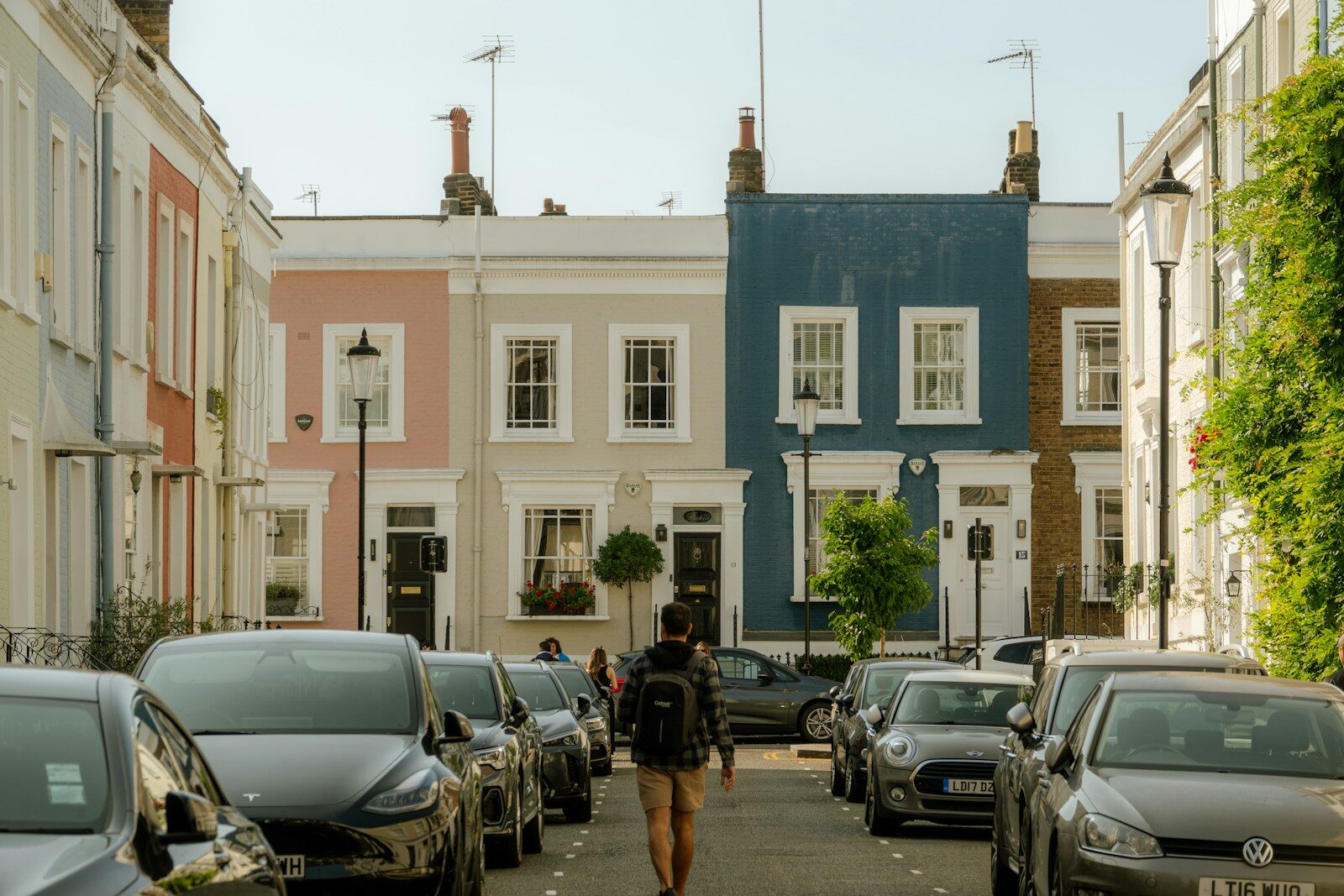
A good sense check is to compare your band with similar homes on your street. If neighbours in identical houses are in a lower band, you may have grounds to challenge. Be careful though: a review can also move your home into a higher band, so look into it before you apply.
How to apply
- Find your council using your postcode on GOV.UK.
- Look for the council tax discounts and Council Tax Reduction pages on its website. Most councils let you apply online.
- Have your income, savings and benefit details to hand for Council Tax Reduction, and a medical certificate for the severe mental impairment discount.
- Apply for each discount separately. Councils do not always apply them automatically, even when they know your circumstances.
- Check your next bill to make sure the reduction has been applied.
If you have been paying too much because you did not know about a discount, ask your council whether it can be backdated.
Scotland, Wales and Northern Ireland
The single person discount and many of the exemptions also apply in Scotland and Wales, but the details of the reduction schemes are different. Scotland has its own Council Tax Reduction rules, and Wales has a national Council Tax Reduction Scheme. Northern Ireland does not have council tax. It uses a domestic rates system, with its own help for people on low incomes and those aged 70 or over who live alone.
Frequently asked questions
Do pensioners get a council tax discount for their age?
No. There is no automatic discount for being a pensioner. You need to qualify for one of the discounts above.
Does Attendance Allowance affect council tax?
It can help. Getting Attendance Allowance can increase the help you get through Council Tax Reduction, and it is often a qualifying benefit for the severe mental impairment discount.
What if I am struggling to pay?
Contact your council as early as possible. They can often spread payments over 12 months instead of 10, or set up a payment plan. Free debt advice is available from organisations such as National Debtline and StepChange.
Final thoughts
Council tax help is one of the most under-claimed forms of support for older people, and a single phone call or online form could save you hundreds of pounds a year. If your circumstances have changed recently, such as a bereavement, a diagnosis or a drop in income, it is worth checking again.
For more ways to cut your bills, see our guide to UK retiree benefits, the hidden costs of retirement and habits that help people save money in retirement.